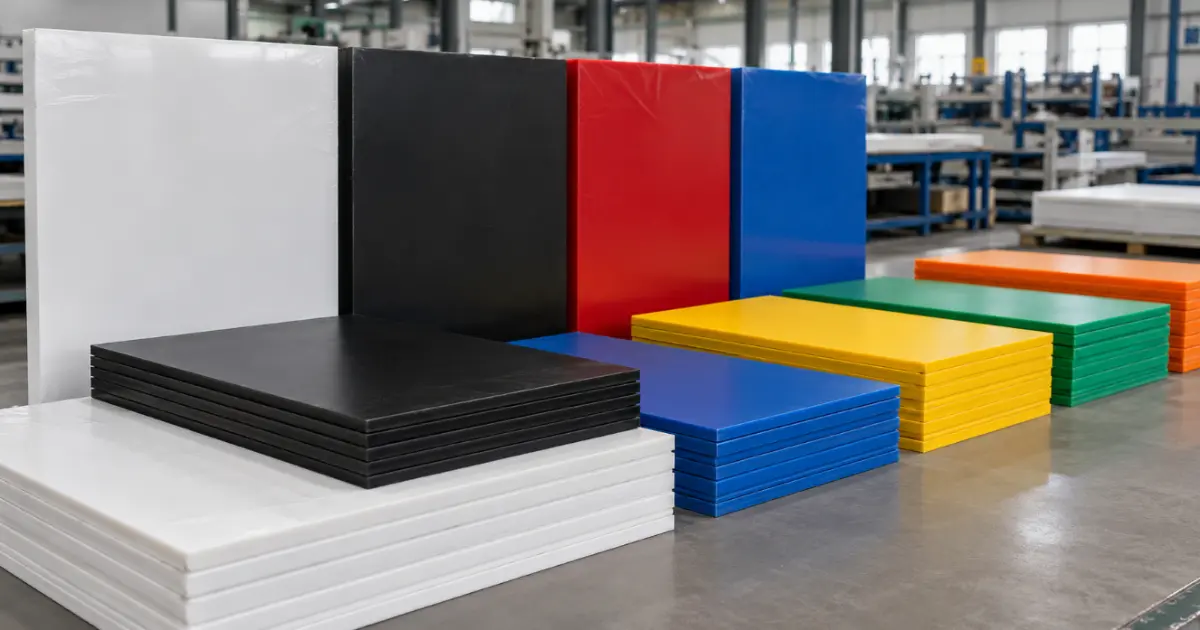
Deploying high-impact signage outdoors requires more than just picking a bright color. Direct solar radiation, photo-oxidation, and thermal cycles can destroy standard thermoplastic substrates within months. As a leading outdoor plastic sheet supplier, Viethung Plastics examines how polymer chemistry, color pigment choices, and anti-UV additives ensure 10+ years of exterior durability.
1. The Mechanisms of UV Degradation in Outdoor Plastic Signage
Ultraviolet (UV) light—specifically UV-A (315–400 nm) and UV-B (280–315 nm)—delivers enough photon energy to break covalent bonds in polymer chains. This process, known as photo-degradation, leads to yellowing, loss of gloss, micro-cracking, and mechanical embrittlement in unprotected plastic substrates.
When sourcing a UV resistant plastic sheet for billboards, illuminated channel letters, or architectural lightboxes, buyers must look beyond superficial surface coatings and consider core resin stabilization and pigment performance.
2. Pigment Selection vs. Solar Heat Absorption
Color choice directly impacts thermal expansion and chemical weathering rates in outdoor plastic sheets:
- Inorganic Pigments vs. Organic Dyes: Inorganic pigments (e.g., Titanium Dioxide, Iron Oxides) offer superior lightfastness and weatherability compared to organic dyes, which tend to break down rapidly under continuous sunlight.
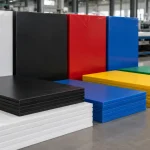
- Thermal Accumulation (Dark vs. Light Colors): Dark colors like black, deep red, and dark blue absorb signicantly more infrared radiation, raising surface temperatures up to 30°C above ambient levels. This thermal stress accelerates polymer chain degradation and induces thermal warping.
- Translucent Pigment Diffusion: For backlit LED signage, diffuse opacity must be balanced with UV stabilization to ensure even illumination without exposing inner LED hot spots or fading over time.
3. Anti-UV Additive Technologies: UV Absorbers vs. HALS
Achieving true multi-year weatherability requires incorporating chemical stabilizers during the plastic extrusion process:
- UV Absorbers (UVA): Benzotriazoles and Hydroxyphenyl-triazines act as “chemical sunscreens.” They preferentially absorb harmful UV radiation and dissipate it as harmless thermal energy before it damages the polymer matrix.
- Hindered Amine Light Stabilizers (HALS): HALS compounds do not absorb light; instead, they act as radical scavengers. They continuously neutralize free radicals generated during photo-oxidation, regenerating themselves to provide long-term protection against cracking and surface chalking.
- Co-Extruded UV Layers: For high-performance polymers like Polycarbonate (PC), a concentrated UV-blocking layer is co-extruded onto the weather-exposed surface, providing structural shield protection.
4. Material Comparison Table for Outdoor Signage Substrates
The matrix below compares key performance parameters for OEM plastic sheet materials commonly used in exterior signage applications:
| Polymer Type | Baseline UV Resistance | Impact Strength | Optimal Pigment / Color Stability | Recommended Additive Package | Typical Signage Application |
|---|---|---|---|---|---|
| Cast/Extruded Acrylic (PMMA) | Inherently Excellent | Medium | High (Inorganic/Translucent Tint) | Standard UVA stabilization | Illuminated letters, lightboxes, store fronts |
| Polycarbonate (PC) | Poor (Requires UV Protection) | Ultra-High (Vandal Proof) | Moderate to High | Cap-layer Co-extruded UV + HALS | High-impact sign faces, protective covers |
| HDPE (High-Density Polyethylene) | Moderate (Requires Carbon Black or HALS) | High (Flexible) | High (Solid UV-stable colors) | HALS + Antioxidant Masterbatch | Carved directional signs, playground boards |
| Rigid PVC / Foam PVC | Moderate | Low-Medium | Moderate (Light colors preferred) | Organotin / Titanium Dioxide UV matrix | Short-to-medium term printed display boards |
5. Custom OEM Manufacturing at Viethung Plastics
Because outdoor signage projects vary in dimension, color specification, and regional climate conditions, stock plastic sheets often fail to meet exact project demands. As a specialized outdoor plastic sheet supplier operating in Vietnam, Viethung Plastics provides non-standard OEM formulation, cut-to-size sheet extrusion, color matching, and custom anti-UV additive loading tailored to your target installation environment.
Need custom UV-stabilized plastic sheets for your next signage project? Contact Viethung Plastics technical experts today for material quotes and color samples.
6. Frequently Asked Questions (FAQ)
- Q1: Why do clear plastic sheets turn yellow after a few years outdoors?
- A: Yellowing is caused by photo-oxidation, where UV radiation breaks the molecular bonds in polymers like Polycarbonate or standard PS, generating chromophores. Adding UV absorbers or cap-layers halts this degradation process.
- Q2: Can I use dark-colored plastic sheets in tropical high-temperature environments?
- A: Yes, but dark sheets absorb significant heat. You must account for higher thermal expansion coefficients (CTE) during installation and specify materials with both HALS and thermal antioxidants.
- Q3: What is the difference between surface UV coating and integrated UV masterbatch?
- A: Surface coatings can wear off or scratch over time, whereas integrated UV masterbatch compounds are dispersed throughout the entire sheet material, providing permanent, full-thickness UV protection.
- Q4: Does Viethung Plastics support custom color matching for custom OEM sign orders?
- A: Yes. We offer exact Pantone and RAL color matching for non-standard sheet thicknesses, solid shades, and translucent backlit diffusers.