Sourcing custom cut-to-size plastic sheets from overseas manufacturers offers significant cost savings and capacity benefits. However, failing to spot technical quality issues early can lead to costly downtime, out-of-spec fabrications, and shipping delays. Discover the five critical red flags to look out for—and how strict OEM controls protect your final product.
Introduction: The Hidden Risks in Custom Cut Plastic Procurement
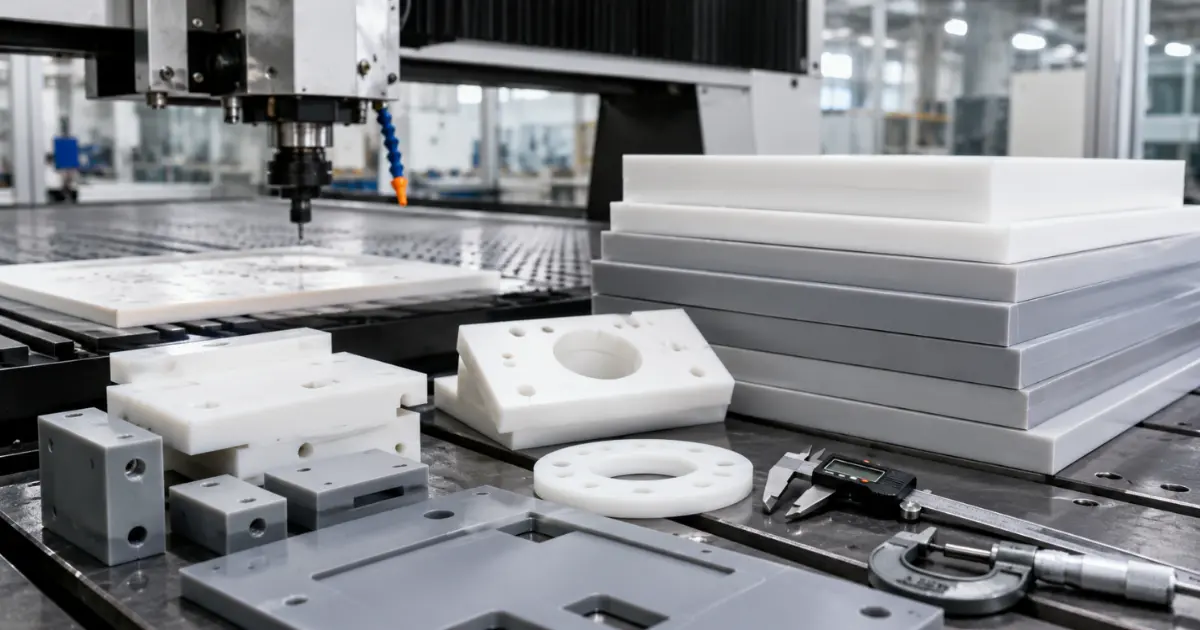
Procuring industrial plastic sheets—such as High-Density Polyethylene (HDPE), Polypropylene (PP), Acrylonitrile Butadiene Styrene (ABS), or Acrylic (PMMA)—requires exact dimensions and structural integrity. While purchasing bulk sheets directly from Asian manufacturers delivers competitive pricing , ordering non-standard, custom-cut dimensions introduces production risks if quality assurance is overlooked.
A minor dimensional error or unseen material defect can compromise entire tank assemblies, equipment enclosures, or architectural panels. To help B2B procurement teams and engineers mitigate these risks, here are 5 red flags to evaluate when choosing an overseas OEM plastic sheet supplier.
1. Vague or Excessively Wide Thickness & Cut Tolerances
One of the most frequent compromises in low-cost plastic sheet production involves dimensional tolerance. Standard extruded plastic sheets require precise calibration. If a supplier cannot guarantee strict tolerances on both sheet thickness and finished cut-to-size length/width dimensions, assembly problems will follow.
- Negative Thickness Bias: Unscrupulous suppliers often run extruders at the absolute minimum boundary of negative tolerance (e.g., sending 11.1mm sheet stock labeled as 12.0mm nominal) to save raw resin weight.
- Poor Diagonal Squareness: Improperly set panel saws or worn CNC tooling produce non-square rectangular cuts, resulting in alignment failures during final fabrication or slotting.
2. Unannounced High Percentages of Low-Grade Regrind (Recycled Content)
While engineered recycled plastic sheets (PCR/PIR) serve distinct eco-friendly applications, hidden regrind blended into virgin industrial resin degrades performance. Suppliers who secretly add unrefined post-industrial scrap to cut material costs compromise key mechanical properties.
Excessive or poor-quality regrind reduces tensile strength, impairs chemical resistance, and creates internal stress pockets that cause cracking during secondary welding or machining. Always require a Certificate of Analysis (COA) confirming raw material origin.
3. Edge Burrs, Saw Marks, and Thermal Melting on Cut Edges
The visual quality of a cut plastic edge reveals volumes about a facility’s equipment and process control. Cut-to-size plastic sheets should feature smooth, clean edges ready for assembly or thermoforming.
Common Cutting Defects:
- Micro-fractures: Excessive feed rates or dull circular saw blades cause micro-fracturing along brittle plastic sheet edges (e.g., PMMA, Polycarbonate, or structural ABS).
- Edge Fusing / Melting: High-speed cutting without proper blade cooling causes thermoplastic materials (like HDPE or PP) to melt and re-weld along the kerf.
- Severe Burrs: Rough, un-deburred edges add unexpected manual labor steps for your assembly line workers.
4. Lack of Internal Stress Relief (Leading to Warping After Cutting)
When heavy-gauge plastic sheets are rapidly extruded and cooled too quickly on the production line, high internal stresses remain locked within the polymer matrix. When these sheets are sliced into smaller custom sizes or routed on CNC machines, these internal stresses release unevenly.
The result? Sheets that were flat when cut become warped, twisted, or bowed within days or during temperature shifts. A reliable manufacturer employs controlled annealing and stress-relief cooling protocols during the extrusion process.
5. Inadequate Export Packaging & Surface Protection
Precision-cut plastic sheets can leave the CNC cutting bed in pristine condition, only to arrive at your warehouse scratched, chipped, or water-damaged. Low-cost overseas quotes often omit proper protective packaging.
Watch out for suppliers who do not supply durable PE protective masking on both sides of the sheets, or those who fail to use heavy-duty wooden pallets, edge corner protectors, and moisture-proof shrink wrapping for ocean container loading.
Technical Comparison: Precision Standard Specs vs. Red Flag Indicators
Review the standard technical benchmarks below to evaluate potential OEM plastic sheet suppliers:
| Technical Quality Parameter | OEM Precision Standard (Viethung Target) | Red Flag Warning Indicator |
|---|---|---|
| Length / Width Cut Tolerance | ±0.5mm to ±1.0mm (Precision Saw / CNC) | > ±3.0mm or unstated tolerances |
| Thickness Calibration | Strict adherence to nominal (e.g., ±3% max deviation) | Consistent negative bias (> -8% thin) |
| Raw Material Purity | 100% Virgin Grade or Verified Controlled PCR Blend | Uncertified scrap blend, inconsistent batch colors |
| Edge Finishing | Clean, smooth, deburred edges; uniform chamfering available | Melting marks, rough chips, saw scoring, micro-cracks |
| Sheet Flatness / Stress | Annealed, stress-relieved flat stock (< 2mm/m bow) | Visible bowing, warping post-cutting |
| Protection & Packaging | Dual-side PE masking, steel-strapped export pallets | No protective film, unstrapped loose stacking |
Frequently Asked Questions (FAQ)
1. What standard cut-to-size tolerance should I expect from custom plastic sheet suppliers?
Standard industrial extruded plastic sheets typically hold a length/width cut tolerance of ±0.5mm to ±1.0mm when using modern CNC routers or precision panel saws. Premium suppliers can achieve tight tolerances of ±0.1mm for specialized applications.
2. How can I verify if a cut plastic sheet contains unannounced recycled content (regrind)?
Inspect the cut edges under bright lighting. Virgin polymer sheets present consistent color density and clean edge profiles, whereas high-percentage regrind content reveals micro-voids, dark specks, or slight color banding across the cross-section.
3. Why do cut plastic sheets warp after precision CNC machining?
Warping occurs due to internal stress built up during rapid extrusion and inadequate annealing (cooling). Quality manufacturers stress-relieve plastic sheets during extrusion to ensure flatness during and after CNC routing.
Partner with Viethung Plastics for Dependable Custom Cut-to-Size Sheets
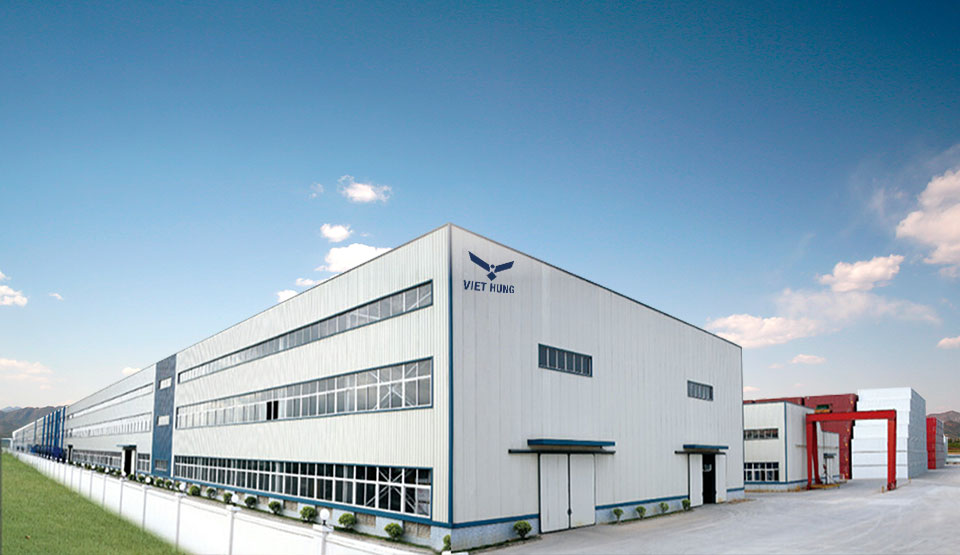
Navigating Asian plastic sheet sourcing requires a manufacturing partner focused on practical quality control, clear communication, and precise tolerances. At Viethung Plastics, our Vietnam manufacturing facility operates precision extrusion and CNC cutting capabilities tailored for international OEM clients.
Need custom cut-to-size HDPE, PP, or ABS sheets delivered with guaranteed tolerances and robust export packaging? Contact our OEM technical team today to review your drawings and request a direct quote.