Introduction
PTFE bellows have gained widespread recognition in various industrial sectors for their unique properties and versatile applications. These bellows play a crucial role in maintaining the integrity of equipment, ensuring safety, and enhancing the efficiency of operations.
Understanding PTFE Bellows
What is PTFE?
Polytetrafluoroethylene, commonly known as PTFE, is a synthetic fluoropolymer with remarkable non-stick and heat-resistant qualities. Its exceptional chemical resistance makes it a preferred material for numerous industrial applications.
What are Bellows?
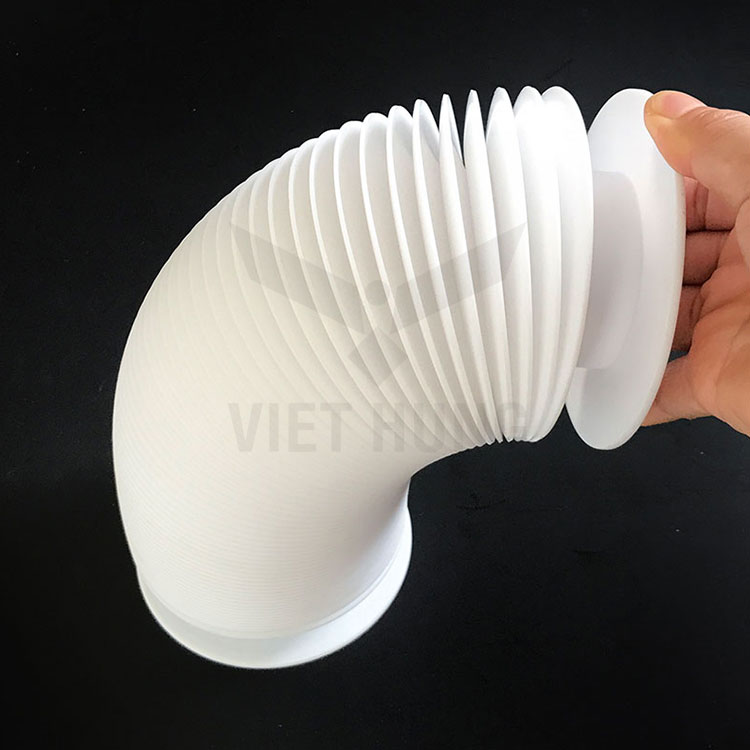
Bellows are flexible, accordion-like structures designed to absorb mechanical and thermal movements. They prevent stress, vibration, and misalignment in equipment and piping systems. When combined with the unique properties of PTFE, PTFE bellows become a robust solution for various challenges in industrial environments.
Applications of PTFE Bellows
Chemical Industry
In the chemical industry, where exposure to aggressive chemicals is common, PTFE bellows serve as reliable expansion joints. They accommodate movements caused by thermal fluctuations and help prevent leakages in pipes and ducts, maintaining a safe and efficient working environment.
Pharmaceutical Sector
Pharmaceutical manufacturing demands strict hygiene and sterility standards. PTFE bellows find their use in pharmaceutical machinery, ensuring the isolation of sensitive processes from external contaminants and maintaining the integrity of the production environment.
Mechanical Engineering
Mechanical systems often experience vibrations and misalignments due to operational factors. PTFE bellows act as effective vibration dampeners and compensators, extending the lifespan of equipment and reducing maintenance needs.
PTFE bellows have gained widespread recognition in various industrial sectors for their unique properties and versatile applications. These bellows play a crucial role in maintaining the integrity of equipment, ensuring safety, and enhancing the efficiency of operations.
Understanding PTFE Bellows
What is PTFE?
Polytetrafluoroethylene, commonly known as PTFE, is a synthetic fluoropolymer with remarkable non-stick and heat-resistant qualities. Its exceptional chemical resistance makes it a preferred material for numerous industrial applications.
What are Bellows?
Bellows are flexible, accordion-like structures designed to absorb mechanical and thermal movements. They prevent stress, vibration, and misalignment in equipment and piping systems. When combined with the unique properties of PTFE, PTFE bellows become a robust solution for various challenges in industrial environments.
Applications of PTFE Bellows
Chemical Industry
In the chemical industry, where exposure to aggressive chemicals is common, PTFE bellows serve as reliable expansion joints. They accommodate movements caused by thermal fluctuations and help prevent leakages in pipes and ducts, maintaining a safe and efficient working environment.
Pharmaceutical Sector
Pharmaceutical manufacturing demands strict hygiene and sterility standards. PTFE bellows find their use in pharmaceutical machinery, ensuring the isolation of sensitive processes from external contaminants and maintaining the integrity of the production environment.
Mechanical Engineering
Mechanical systems often experience vibrations and misalignments due to operational factors. PTFE bellows act as effective vibration dampeners and compensators, extending the lifespan of equipment and reducing maintenance needs.
Benefits of Using PTFE Bellows
Corrosion Resistance
One of the standout features of PTFE bellows is their unparalleled resistance to corrosion. This quality makes them suitable for use in aggressive chemical environments where metal components would deteriorate over time.
Temperature Tolerance
PTFE’s ability to withstand extreme temperatures, ranging from cryogenic levels to high heat, ensures the durability and reliability of PTFE bellows in diverse operating conditions.
Flexibility and Durability
The inherent flexibility of PTFE combined with the design of bellows allows them to absorb movement and stress without compromising their structural integrity, resulting in a longer-lasting solution.
Manufacturing Process of PTFE Bellows
The manufacturing process of PTFE bellows involves specialized molding techniques that shape the PTFE material into the accordion-like structure. The process ensures precision and consistency in the final product’s performance.
Factors to Consider When Choosing PTFE Bellows
Operating Conditions
The specific operating conditions, including temperature, pressure, and chemical exposure, play a significant role in determining the appropriate type and design of PTFE bellows.
Design Flexibility
PTFE bellows can be customized to suit various installation requirements, making them adaptable to complex layouts and tight spaces.
Longevity
Due to their robust nature, PTFE bellows offer an extended service life, reducing the frequency of replacements and minimizing downtime.
Installation and Maintenance
Proper Handling
During installation, it’s essential to handle PTFE bellows with care to avoid damaging their structure. Following manufacturer guidelines ensures optimal performance.
Maintenance Tips
Regular inspection and cleaning help maintain the efficiency of PTFE bellows. Addressing any issues promptly can prevent costly repairs in the long run.
Comparing PTFE Bellows with Alternatives
Rubber Bellows
While rubber bellows are cost-effective, they may not offer the same level of chemical and temperature resistance as PTFE bellows.
Metal Bellows
Metal bellows are durable but lack the corrosion resistance and flexibility of PTFE bellows, limiting their suitability for certain applications.
Future Trends in PTFE Bellows
As industries continue to evolve, PTFE bellows are likely to witness advancements in material technology, design, and manufacturing processes, further expanding their capabilities and applications.
Conclusion
In conclusion, PTFE bellows stand as a testament to innovative engineering and material science. Their ability to endure harsh conditions, absorb movements, and maintain system integrity positions them as indispensable components across various sectors. As industries progress, the role of PTFE bellows is bound to become even more pivotal.
FAQs About PTFE Bellows
What does PTFE stand for?
PTFE stands for Polytetrafluoroethylene, a synthetic fluoropolymer known for its exceptional non-stick and heat-resistant properties.
Are PTFE bellows resistant to high temperatures?
Yes, PTFE bellows exhibit remarkable temperature tolerance, making them suitable for use in both extremely hot and cold environments.
Can PTFE bellows be used in the food industry?
Absolutely. PTFE’s inert nature and resistance to chemicals make PTFE bellows suitable for applications in the food industry.
How long do PTFE bellows typically last?
With proper installation and maintenance, PTFE bellows can have a long service life, often lasting several years.
Can PTFE bellows withstand exposure to harsh chemicals?
Yes, PTFE bellows are highly resistant to a wide range of aggressive chemicals, making them an ideal choice for industries dealing with corrosive substances.