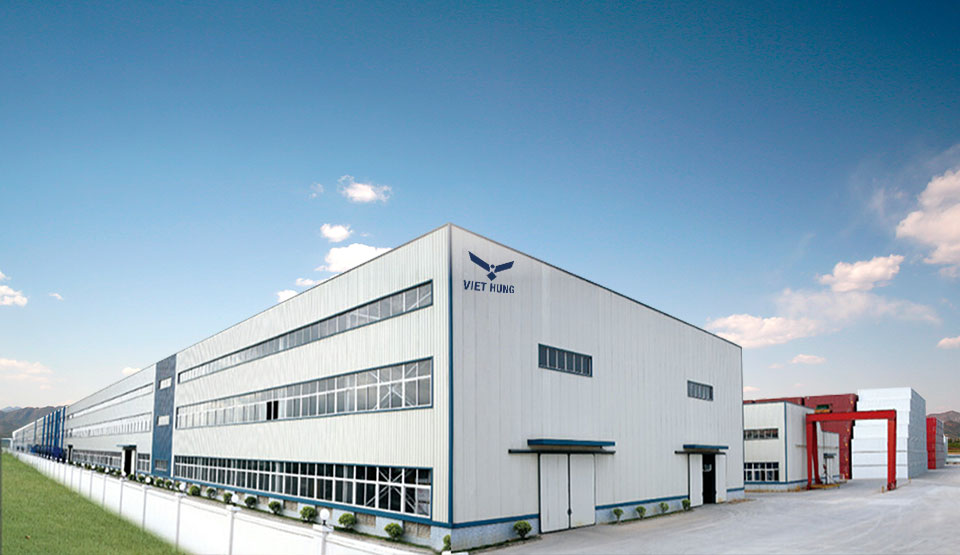
Factory direct
Manufacture of Plastic materials since 2015



● Low processing hardness: The hardness of plastic is relatively low, generally between 60-90, which is much lower than metal materials and easy to process.
● Low thermal deformation temperature: The thermal deformation temperature of plastics is generally below 60°C. Frictional heat needs to be reduced during processing to avoid thermal deformation.
● Easily produce cutting burrs: Due to the low thermal deformation temperature of plastic, the plastic cut by the tool expands instantly and easily produces cutting burrs.
● Cutting speed and depth control: Plastic cutting is light cutting, and the cutting speed and cutting depth need to be controlled to avoid the occurrence of tool marks.
● Tool selection: It is necessary to choose high-quality tools to reduce thermal deformation and avoid cutting burrs and tool marks.
● The clamping is not easy to be too tight: due to the low strength of the mechanism, deformation and cracks are prone to occur under the action of clamping and cutting forces.
●Poor thermal conductivity: The temperature in the cutting zone is high, thus aggravating the wear of the turning tool and the thermal deformation of the workpiece.
● The workpiece is prone to fluffing, cracking, peeling and chipping during processing: In addition to increasing the rake and relief angles of the tool, increase the length of the main cutting edge to participate in the work, increase the transition edge and wiper edge, and equip with appropriate grinding chip flute. Some plastics are pressed from layers of substances or powdered fillers: these act as abrasives during turning and accelerate tool wear.
● Low melting point: It is sensitive to cutting heat, so surface charring and melting may easily occur during turning.
● It is not advisable to use lubricating fluid to reduce the cutting temperature: compressed air can be used for blowing cooling if necessary.
● Light and easy to carry: Plastic building materials are light in weight and easy to carry, which reduces processing and transportation costs and also reduces inappropriate impacts on the environment.
● Reduce production costs: The compact and beautiful appearance design improves space utilization and reduces the overall fixed asset investment, production operation and management costs.
● Improve processing efficiency: Due to the increase in cutting speed and feed amount, processing time is shortened and processing efficiency is improved.
● Reduce material waste: Turning and milling can achieve high-precision processing, reducing the demand for raw materials, while also reducing cutting allowances and material waste.
● Reduce wear and tear on machine tools: The turning-milling compound machining center adopts a multi-station processing method, concentrating multiple processes on one machine tool, reducing wear and adjustment time on the machine tool, and improving the utilization rate of the machine tool.
● Improve processing accuracy and surface quality: Turning and milling can achieve high-precision processing and improve surface quality and processing accuracy through precise cutting parameters and tool path control.
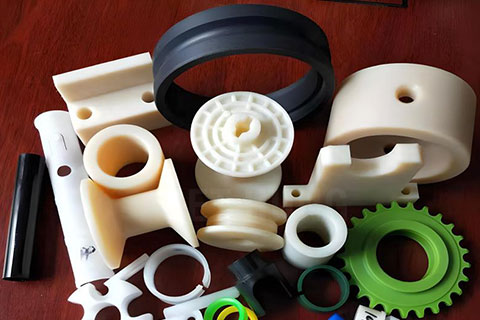
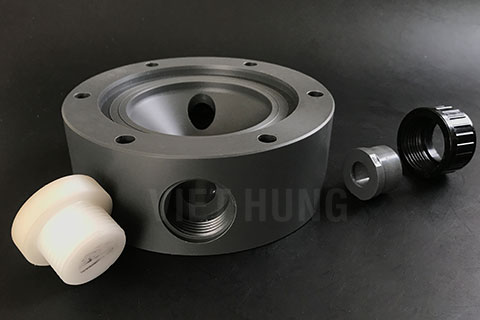
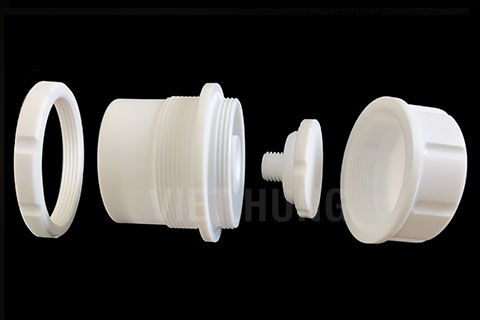
● Can process complex parts: Turning and milling can process parts of various complex shapes, including curved surfaces, inclined surfaces, grooves, etc., which improves the processing range and flexibility.
● Improve production efficiency: Turning and milling processing can realize multi-axis linkage and automatic control, which improves production efficiency and processing speed. In general, turning and milling is an efficient, high-precision, and low-cost processing method, which is suitable for processing plastic materials.