Design Drawing

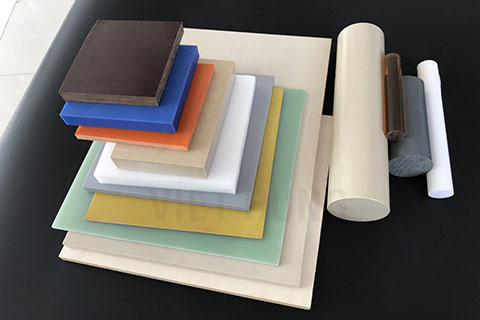
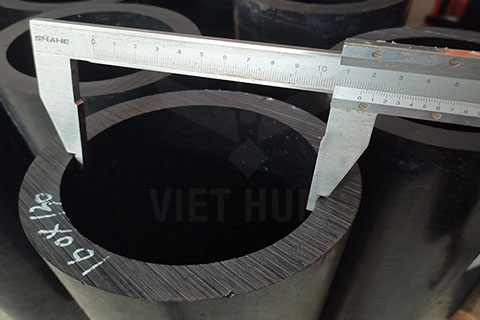
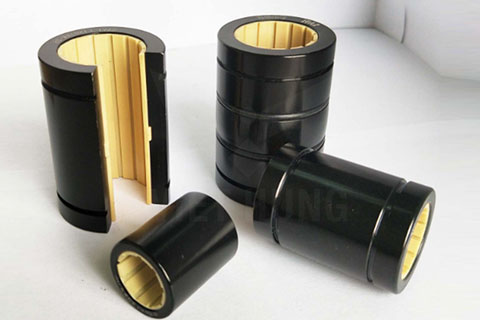
From the application of plastic parts, we design practical and economical geometries, select the most suitable materials, and apply the most appropriate processing technology to manufacture parts.
View Plastic Materials
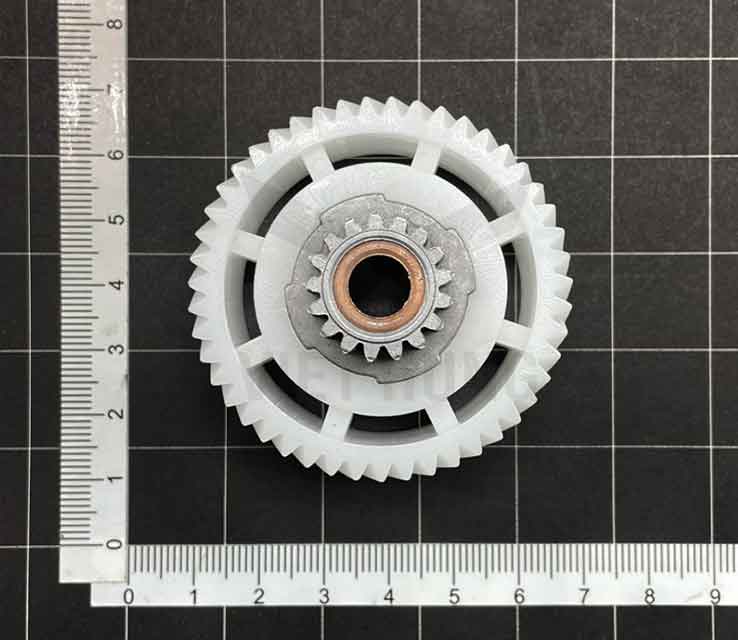
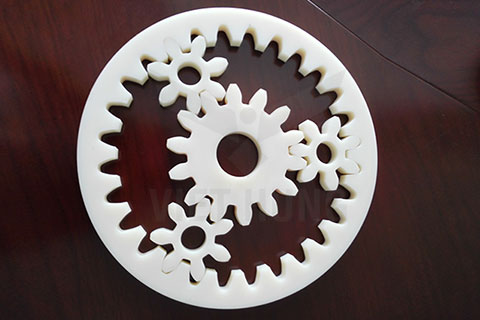
Design Drawing Processing-services-plastic gear

Design instructions:

● What are the tolerance and specification requirements for plastic products?
● Are there any special considerations for chemical properties and environmental conditions?
● Will the finished product be load-bearing? Or will it be used in an environment subject to friction and wear?
● What temperature range does the product need to withstand? Intermittent or long-term?
● What format of drawings can we accept? Viethung Plastic accepts SolidWorks, .STEP, .IGES, .dwg. and .dxf. drawing formats.

Things to note when designing

Viethung Plastic can provide customers with drawing designs based on the customer's ideas or samples provided by the customer, combined with the materials chosen by the customer and the required performance, and suggest the most cost-effective and optimal processing methods from the customer's perspective. , help customers analyze problems and solve problems. The following are several key points that should be considered when designing engineering plastics:
Ask a Plastics Expert

01.

Material properties

When using engineering plastics, designers must first refer to the material properties of the raw materials before designing. They cannot treat them completely like metal.
Plastic-Material-properties

02.

Match materials

The material that matches the engineering plastic parts is preferably metal. If it is necessary to use plastic versus plastic, choose two materials with different softness and hardness, such as POM versus NYLON 6A, and consider supplying coolant.
Match-materials

03.

Tolerance setting

Engineering plastics have a higher thermal expansion rate than metals and have problems with water absorption (NYLON). Therefore, when setting tolerances, they should always be wider than metal parts. POM should be considered first, or the supplier should be asked to provide modified engineering plastics.
Tolerance setting

04.

Lubrication timing

If the load and speed do not cause the material to overheat, there is no need to use lubricants. At most, plastics containing solid lubricants (such as graphite or molybdenum disulfide) can be used. However, if the machine parts are not constantly moving, it is not advisable to mix graphite, because in the presence of moisture, graphite has a galvanic corrosion effect on metals. However, the use of lubricants can extend the life of engineering plastics.
Lubrication timing

05.

Consider flexibility

Plastics all have creep properties, that is, they will produce some permanent deformation under long-term continuous load. This is also the reason why engineering plastics cannot achieve press fit and shrink fit like metal under heavy load, especially under temperature differences. It is more difficult to achieve under a wide range of operating conditions. Because of these conditions, gears or bearings must be keyed, pinned, or riveted in place. However, in terms of creep properties, POM is the smallest among commonly used engineering plastics, and its rigidity is also the largest, most like metal. Generally speaking, deformation will begin to occur within 36 to 48 hours after the machine part is installed. Therefore, it is best to do a low-speed running inspection 48 hours after the machine part is installed. If there is no problem, you can preliminarily conclude that the machine part is faulty. There will be no problems with future operations.
Consider flexibility

06.

Avoid sharp corners

When designing engineering plastic parts, sharp corners should be avoided regardless of whether they are external or internal corners. If parts with sharp edges are used, the impact strength will be greatly reduced. In order to maintain maximum impact strength and reduce stress concentration, the outer corners and edges should be rounded, and the outer diameter (R) of the inner corners should also be enlarged as much as possible.
Avoid sharp corners

07.

Thermal considerations

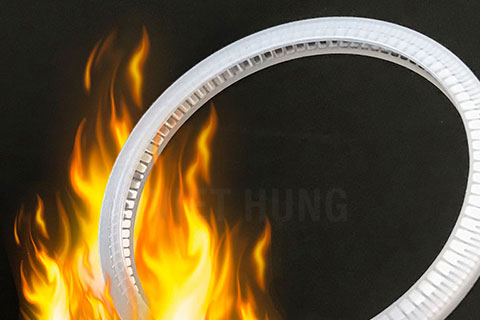
Although engineering plastics have higher heat resistance than ordinary plastics, plastics have poor heat conductivity and are prone to heat accumulation. Therefore, when designing, attention should be paid to the fact that such parts cannot be used near high temperatures or fire sources. Otherwise, cooling should be considered. liquid. As for the plastics themselves, due to their good thermal insulation and high thermal expansion rate, their cross-sections should be made as thin as possible during design. Otherwise, overheating will occur at high speeds or high loads, and the parts will naturally be more susceptible to damage. Moreover, a thinner section can also reduce material expenditures.
Thermal considerations

We're Here To Help

Can't find what you need? Have a technical question?
Ask A Plastics ExpertView Plastic Materials

"One-Stop" Material Solutions

As a professional plastic manufacturer and parts processor, Viethungplastic has been in this industry for more than 10 years. We have rich experience in OEM and ODM for big European and American brands.

Factory direct

Manufacture of Plastic materials since 2015

OEM experience

Knowing the highest standard of producing quality products

Cost effective

Good products quality and affordable price

Factory Tour

10

Years of Experience

70+

Sales Countries

900+

Global Clients
Contact us

Tell me your needs

Design Drawing