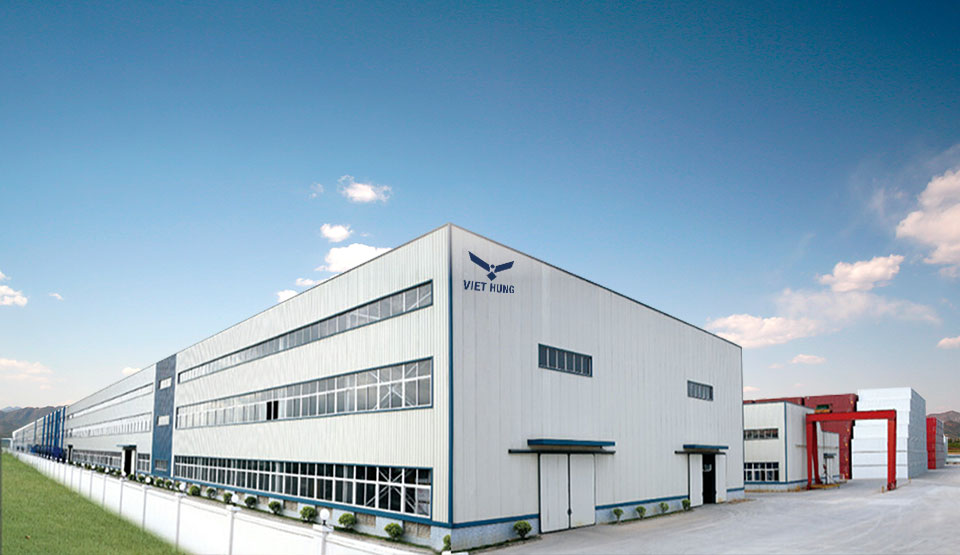
Factory direct
Manufacture of Plastic materials since 2015

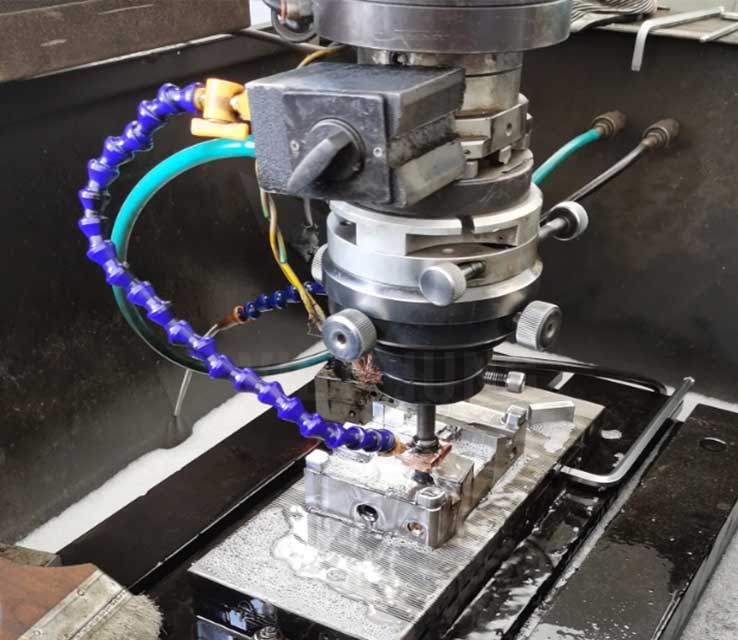


● High production efficiency: The injection molding machine adopts high-pressure and high-speed injection molding methods to inject multiple products at one time, and has a high degree of automation, which reduces manual operations and improves production efficiency.
● High product precision: The injection molding process can control the dimensional accuracy and weight accuracy of the product and produce high-precision products that meet the requirements.
●Wide range of application: The injection molding process can be used to process various plastic materials, such as PP, PE, ABS, etc., and is suitable for products of different shapes and sizes.
● Low production cost: The injection molding process uses thermoplastic particles as raw materials, which are low-priced and can be recycled and reused, reducing production costs.
● Excellent product appearance: The surface of injection molded products is smooth and has no obvious defects such as weld marks and bubbles, so the product appearance quality is excellent.
● Strong repeatability: The injection molding process can produce highly repeatable products by adjusting the parameters of the injection molding machine and the design of the mold, which is conducive to quality assurance and standardized production.
● Short production cycle: The injection molding process can complete the entire process from raw materials to finished products in a short time, shortening the production cycle and improving production efficiency.
● Environmentally friendly and sustainable: The plastic raw materials used in the injection molding process can be recycled and reused, which reduces the generation of waste and is conducive to environmental protection and sustainable development.
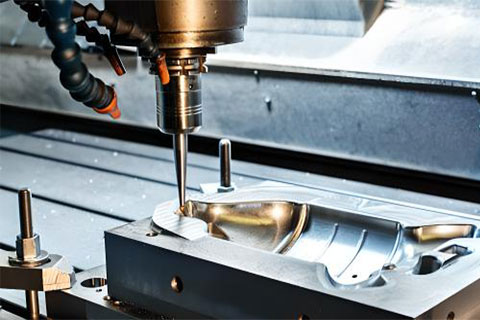
The injection molding machine adopts high-pressure and high-speed injection molding methods to inject multiple products at one time, and has a high degree of automation, which reduces manual operations and improves production efficiency.
The injection molding process can control the dimensional accuracy and weight accuracy of the product and produce high-precision products that meet the requirements.
The injection molding process can be used to process various plastic materials, such as PP, PE, ABS, etc., and is suitable for products of different shapes and sizes.
The injection molding process uses thermoplastic particles as raw materials, which are low-priced and can be recycled and reused, reducing production costs.
The surface of injection molded products is smooth and has no obvious defects such as weld marks and bubbles, so the product appearance quality is excellent.
The injection molding process can produce highly repeatable products by adjusting the parameters of the injection molding machine and the design of the mold, which is conducive to quality assurance and standardized production.
The injection molding process can complete the entire process from raw materials to finished products in a short time, shortening the production cycle and improving production efficiency.
There are many kinds of plastic materials suitable for injection molding process. Common ones include acrylonitrile-butadiene-styrene (ABS), polycarbonate (PC), polybutylene terephthalate (PBT), polyphenylsulfone ( PPSU) etc. These plastic materials have good heat resistance, chemical resistance, impact resistance, processing performance and mechanical properties, and are suitable for injection molding.
For example, ABS plastic has good processing and mechanical properties, has high surface gloss and is easy to dye, and is suitable for making products with high appearance requirements; PC plastic has high transparency, high impact strength and good heat resistance, and is suitable for Make products that need to withstand impact and high temperatures; PBT plastic has excellent mechanical properties and chemical corrosion resistance, and is suitable for making products that need to withstand chemical corrosion and mechanical stress; PPSU plastic has high heat resistance, high insulation and good resistance to chemical corrosion. Chemically corrosive, suitable for making products that need to withstand high temperatures and chemical corrosion.
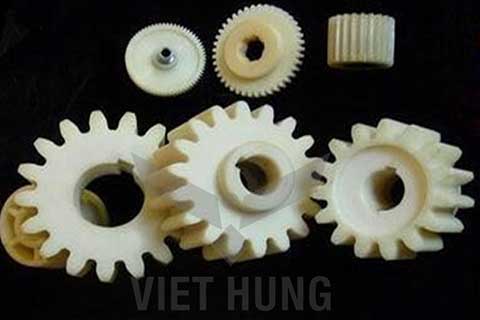
In addition, there are some special plastic materials that are also suitable for injection molding, such as polyoxymethylene (POM), polymethylmethacrylate (PMMA), etc. These plastic materials have unique performance characteristics and are suitable for different injection molding needs. It should be noted that different plastic materials have different performance characteristics. Therefore, when selecting plastic materials suitable for the injection molding process, comprehensive considerations need to be made based on factors such as product performance requirements, use environment, processing technology, and cost.